Auto Repair Tool Maintenance & Storage Tips to Extend Tool Lifespan
Introduction
For every mechanic, auto repair shop owner, and DIY automotive enthusiast, high-quality repair tools are the most valuable asset. A complete set of durable, well-maintained garage tools can greatly improve work efficiency, ensure repair accuracy, and save huge replacement costs in the long run. However, most tools wear out, rust, or break prematurely not due to quality issues, but because of irregular daily maintenance and improper storage.
If you want to maximize the service life of your wrenches, sockets, screwdrivers, pneumatic tools, and diagnostic equipment, mastering scientific tool maintenance and storage skills is essential. This guide shares practical, easy-to-operate auto repair tool maintenance and storage tips, suitable for home garages and professional auto repair workshops to fully extend tool service life.
Why Tool Maintenance & Proper Storage Matter
Many people ignore daily tool care and only replace tools when they fail completely. This habit not only increases operating costs but also brings potential safety hazards during auto repair work. Standardized tool maintenance and storage bring multiple core benefits:
-
Extend service life: Reduce tool rust, abrasion, deformation and aging, and avoid frequent replacement
-
Ensure repair accuracy: Keep precision tools such as torque wrenches and calipers in standard working condition
-
Improve work efficiency: Classified storage makes tools easy to access, avoiding time wasted searching for tools
-
Guarantee operation safety: Prevent tool breakage, slipping and accidental injury caused by aging and damage
-
Reduce long-term costs: Lower tool loss rate and maintenance frequency, optimize garage operating budget
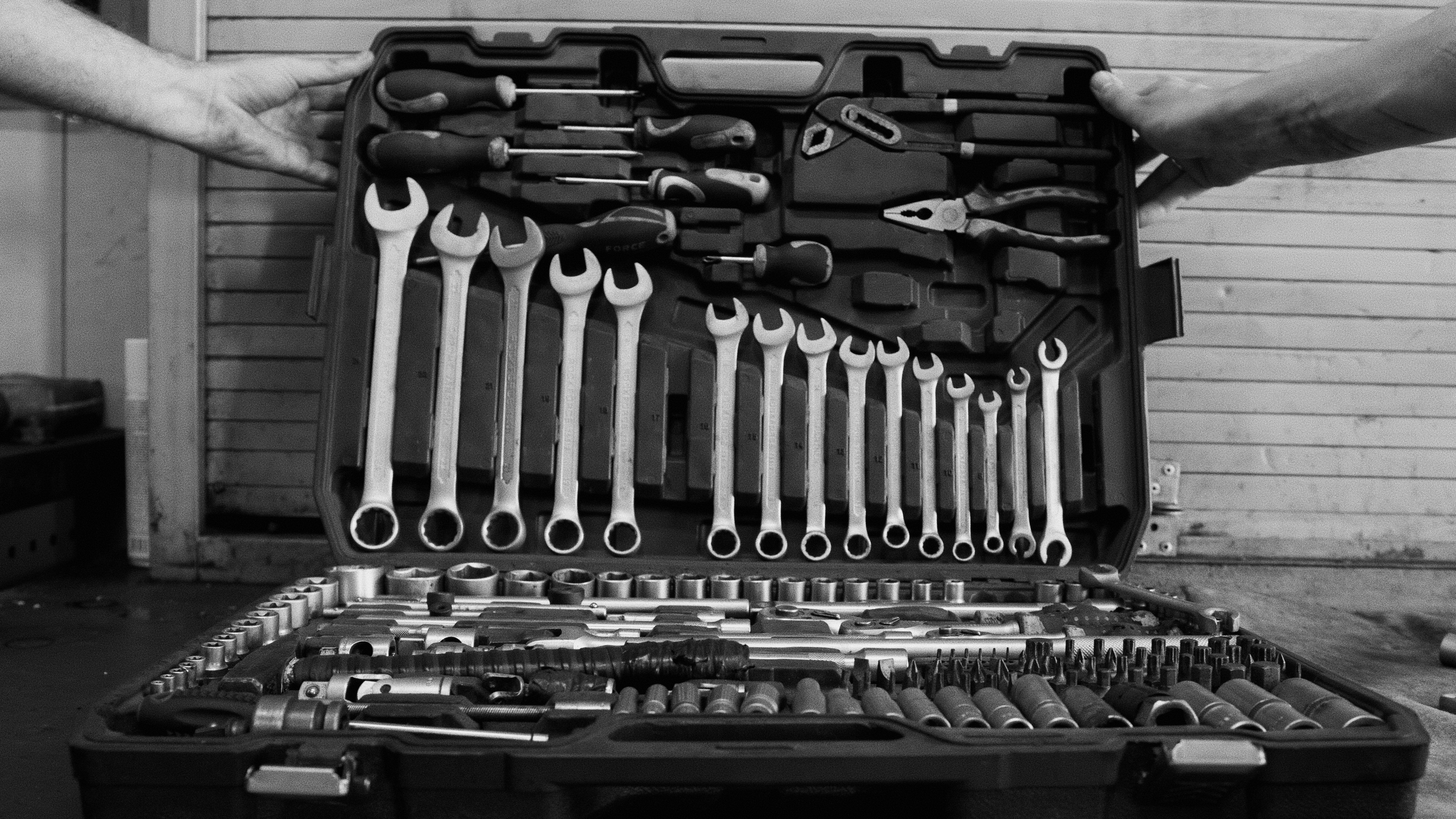
Daily Maintenance Tips for Different Auto Repair Tools
Different types of auto repair tools have different material characteristics and usage scenarios, which require targeted maintenance methods. Below are professional and practical maintenance solutions for common garage tools.
1. Metal Hand Tools (Wrenches, Sockets, Pliers, Screwdrivers)
Hand tools are the most frequently used tools in auto repair work. Mostly made of alloy steel, they are prone to rust, surface wear and thread damage in humid and oily garage environments, making daily maintenance indispensable.
Maintenance Tips:
-
Clean after each use: Wipe off engine oil, brake fluid, dust and metal debris on the tool surface with a clean rag. For stubborn oil stains, use a mild degreaser for cleaning and dry the tools immediately.
-
Regular anti-rust treatment: Spray a thin layer of anti-rust lubricant or tool protection oil on metal tools every 1 to 2 weeks. Increase maintenance frequency for tools stored in open or humid garages.
-
Avoid violent use: Do not use wrenches as prying tools or strike hard objects arbitrarily to prevent tool deformation, cracking and tooth wear.
-
Regular inspection: Check tools for cracks, slipping teeth and bent deformation before use. Replace damaged tools in time to avoid repair errors and safety accidents.
2. Pneumatic & Electric Tools (Air Wrenches, Drills, Grinders)
Pneumatic and electric tools are high-frequency power tools. Their internal motors, bearings and air passages are easy to accumulate dust, block and age, resulting in reduced power and shortened service life. Refined daily maintenance can greatly prolong their service time.
Maintenance Tips:
-
Daily air and circuit inspection: Check for air pipe leakage and worn or damaged power cords before use to avoid short circuits and insufficient air pressure.
-
Regular lubrication: Inject special pneumatic oil into the air tool inlet before daily use to lubricate internal bearings and gears, reduce friction loss and ensure smooth operation.
-
Dust and impurity removal: Clean air filters and heat dissipation holes regularly to prevent blockage caused by metal dust and oil dirt, which leads to tool overheating and burnout.
-
Idle protection: Cut off the power and air source after use, wipe the tool body clean, and store it in a dry and ventilated place to avoid internal moisture corrosion and failure.
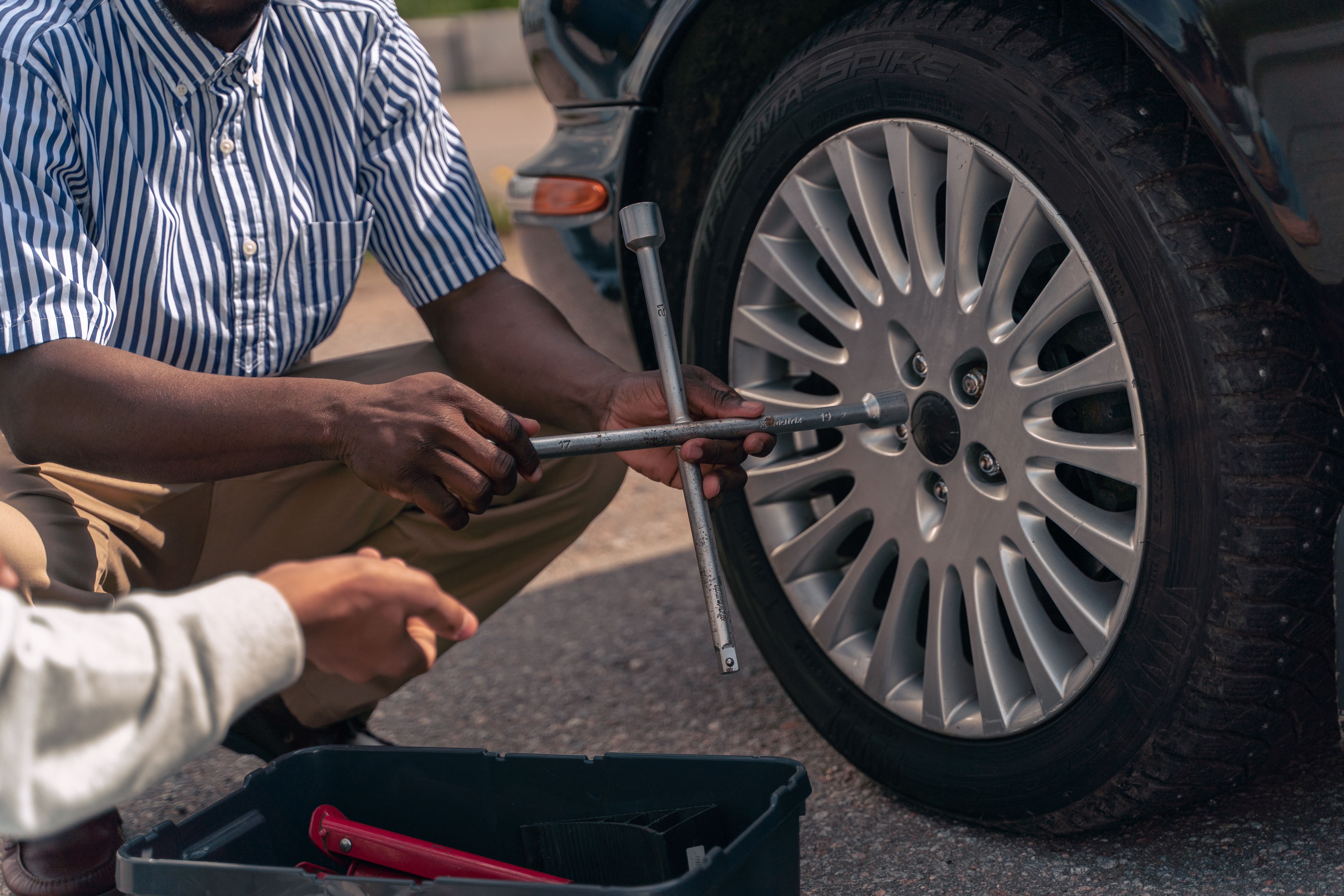
3. Precision Measuring Tools (Torque Wrenches, Calipers, Gauges)
Precision measuring tools directly determine the accuracy of auto repair. Slight collision, rust or deformation will cause measurement deviation and unqualified repair work, so they require higher-standard maintenance and protection.
Maintenance Tips:
-
Anti-collision and anti-fall: Avoid collision and dropping during use. Never place precision tools under heavy tools to prevent extrusion deformation.
-
Keep dry and clean: Do not expose precision tools to humid and corrosive environments for a long time. Wipe the measuring surface clean after use and apply a thin layer of anti-rust oil.
-
Regular professional calibration: Calibrate torque wrenches and other precision measuring tools regularly to ensure accurate data and meet industry standards.
-
Independent storage: Store separately from ordinary hand tools to prevent friction and scratches on precision measuring surfaces.
4. Special Load-Bearing Auto Repair Tools (Jack, Stand, Chain Wrench)
Load-bearing tools such as jacks and safety stands bear huge pressure during operation, which makes them prone to structural wear, oil leakage and jamming. Standard maintenance is the key to avoiding safety accidents such as collapse and falling.
Maintenance Tips:
-
Regular hydraulic oil replacement: Replace hydraulic oil of hydraulic jacks according to usage frequency to prevent oil deterioration and impurity accumulation that cause insufficient lifting power and jamming.
-
Structural stability check: Regularly inspect brackets, welding points and thread structures for looseness, deformation and wear, and fasten loose accessories in time.
-
Lubricate movable parts: Lubricate rotating and telescopic movable parts regularly to ensure flexible operation and avoid rust and jamming.
Scientific Tool Storage Skills for Garages & Workshops
Reasonable storage management is the core of reducing tool loss and extending service life. Random stacking and messy placement are the main causes of tool rust, deformation and loss. The following practical storage skills are suitable for all garage and auto repair workshop scenarios.

1. Classified and Zoned Fixed-Point Storage
Classify tools by type and usage frequency for fixed-point placement, realizing instant access and organized management:
-
High-frequency daily tools: Place screwdrivers, conventional wrenches, pliers and other commonly used tools in portable toolboxes or wall-mounted tool racks at accessible heights.
-
Low-frequency special tools: Store large special tools and seasonal maintenance tools in closed tool cabinets to isolate dust and moisture.
-
Precision measuring tools: Adopt independent sealed shockproof storage boxes with sponge liners to prevent collision, moisture and wear.
2. Dry and Ventilated Storage Environment
Most auto repair tools are made of metal, which is highly susceptible to rust and corrosion in humid, dark and poorly ventilated garages. Always keep the storage area dry and ventilated. Place moisture-proof desiccants in tool cabinets and ventilate regularly in humid coastal or rainy areas. Never place tools directly on the ground to avoid continuous moisture erosion.
3. Professional Storage Equipment for Refined Protection
Matching professional garage storage equipment can optimize space, improve work efficiency and maximize tool protection:
-
Tool trolley: Layered mobile trolley, suitable for on-site maintenance, convenient for tool transportation and classification.
-
Wall tool rack: Saves floor space, keeps tools ventilated and dust-free, and allows intuitive tool inventory.
-
Sealed tool cabinet: Excellent dust and moisture resistance, ideal for long-term storage of idle tools and precision equipment.
-
Tool foam tray: Fixed slot design prevents tool collision, friction and messy stacking to keep tools intact.
4. Regular Sorting and Inventory
Develop a habit of weekly sorting and monthly tool inventory. Regularly clean dust and oil stains on storage equipment, replace misplaced tools, inspect and record damaged or missing tools. A tidy storage environment effectively avoids secondary tool damage caused by long-term messy stacking and keeps tools in optimal condition.
Common Tool Maintenance Mistakes to Avoid
Most premature tool damage stems from incorrect maintenance and usage habits. Avoid the following mistakes to effectively extend tool lifespan:
-
Do not leave oil stains and water stains on tools without timely cleaning and storage
-
Do not stack precision tools together with heavy hardware tools
-
Do not over-apply lubricating oil to avoid excessive oil accumulation and dust adsorption
-
Do not store tools in low-lying, humid and poorly ventilated corners
-
Do not use deformed, damaged and aging tools reluctantly

Final Thoughts
Auto repair tools are the core productivity of garages and repair work. Simple daily cleaning and standardized classified storage can greatly extend tool service life, reduce replacement costs, and improve the efficiency and safety of repair operations. Adhering to scientific tool management habits is the most cost-effective way to protect garage assets and reduce operating costs.
Whether for professional auto repair workshops or private home garages, standardized classification, regular maintenance and standardized storage can keep all auto repair tools in the best working condition for long-term use.
With years of profound experience in the auto repair tool industry, our company is well-versed in the selection, daily maintenance, storage solutions and standard operating specifications of all types of auto repair tools. We deliver professional, scenario-based tool maintenance and configuration advice tailored for garages and repair shops. Adhering to strict and reliable service standards, we solve various tool usage and operation problems for customers. We are your trustworthy and reassuring choice for auto repair tool procurement and maintenance consultation.
